Vape odor can settle into curtains, upholstery, clothing, and painted walls. It may seem faint at first, then return when the room warms. This guide explores How to hide the smell of vape clouds indoors through safer, practical odor-control habits. The goal is not to disguise poor air quality. It is to reduce lingering residue and protect people sharing the space.
Richard Corsi, an indoor-air-quality researcher, has emphasized, “Ventilation is not a substitute for source control.” That principle shapes these ten recommendations. Opening windows, using a properly sized exhaust fan, and keeping fabric surfaces clean can help. A portable air cleaner with activated carbon may also reduce odors. However, filters need regular replacement. Otherwise, performance declines quietly.
Small changes matter. Wash blankets. Empty nearby wastebaskets. Wipe hard surfaces with a suitable household cleaner. Avoid combining cleaning products, especially bleach and ammonia. Scented sprays can create a heavier smell instead of removing one. They may also irritate sensitive lungs, children, pets, or anyone with asthma. This guide does not encourage indoor vaping, concealment from property managers, or ignoring local rules. Shared homes require honest communication and consent.
There is no perfect trick. Odor can remain in hidden materials. I have found that source control works better than masking, although results vary with room size, airflow, and fabric type. Treat these tips as a starting point, not a guarantee. If the smell persists, improve ventilation, clean deeper, and reconsider indoor use altogether.
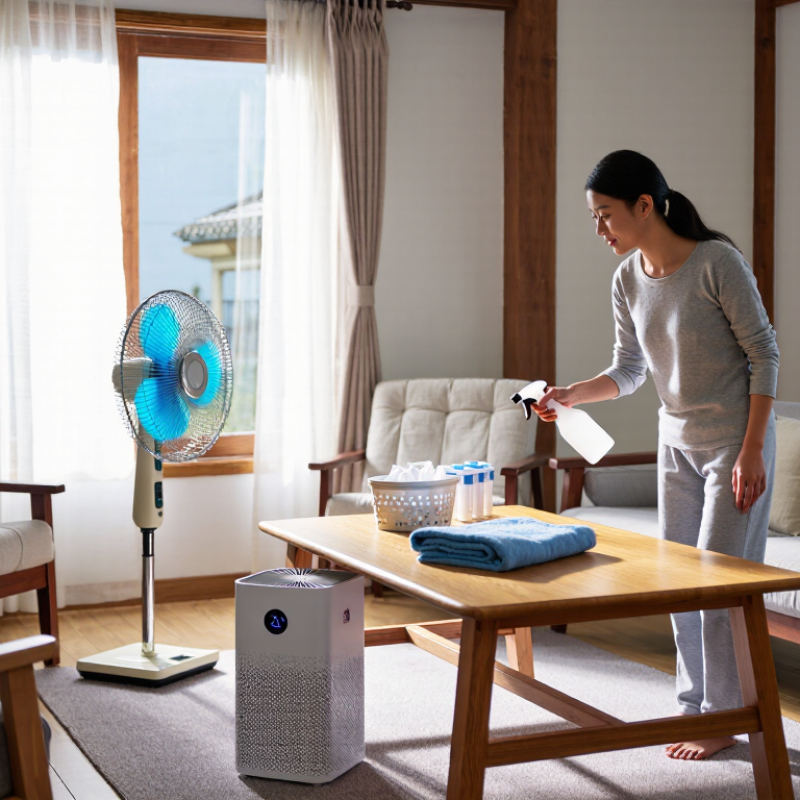
Vape odor can linger indoors because the aerosol does not simply disappear. Tiny particles and flavor compounds settle on curtains, carpets, upholstery, and painted walls. Warm, humid rooms may hold the smell longer. Poor airflow makes it more noticeable, especially near corners and furniture. In my experience, opening one window often helps, but it rarely solves the problem alone. The scent may return hours later when fabrics release trapped compounds.
Tips: Create cross-ventilation with two openings, if possible. Use a fan to move air outward, not deeper into the room. Wash curtains and blankets. Vacuum carpets and fabric furniture slowly. Wipe hard surfaces with mild soap and water. Clean nearby vents and replace dirty filters. An air purifier with particle and odor filtration may help, but it is not magic. Avoid covering the smell with candles or sprays. That can create a heavier, confusing odor. Keep the room dry and remove waste promptly.
Odor control works better when the source is removed, not disguised. Shared indoor spaces need extra care because some people are sensitive to scented aerosols. A small room may require repeated cleaning. I have found that waiting too long makes the task harder. Ventilation also depends on weather, building design, and neighboring rooms. Results can be uneven, and that is worth acknowledging.
Improving airflow is more effective than covering indoor vapor odors with fragrance. Open two windows on opposite sides of the room when outdoor conditions allow. This creates cross-ventilation and moves stale air outside. A small fan near the outgoing window can strengthen the airflow. Aim it outward, not toward another person or occupied space.
Use an exhaust fan in kitchens or bathrooms if it vents outdoors. Keep interior doors open briefly so trapped air can move toward the exit. Recirculating air conditioners may reduce discomfort, but they do not replace fresh-air exchange. A portable air cleaner with activated carbon and a fine-particle filter can help, although its performance depends on room size and filter condition.
I have found that short ventilation periods work better than leaving one window barely open all day. Ten minutes may be useful, but crowded rooms often need longer. Check the filter regularly. A neglected filter can restrict airflow and reduce cleaning performance. Avoid ozone-producing devices, because they may irritate the lungs and create new pollutants. Odor can also cling to curtains, upholstery, and clothing. Washing fabrics and wiping nearby surfaces helps more than repeated spraying. My own routine was not perfect; I once focused on scent and ignored humidity. That mistake made the room feel heavier. A simple humidity monitor can reveal when ventilation needs improvement. Ventilate away from children, pets, and other occupants whenever possible.
Top 10 Ways to Hide Vape Smell Indoors?
Using Odor-Absorbing Materials Safely and Effectively
Odor control starts with fresh air, not stronger fragrances. Open two windows when possible, creating a gentle cross-breeze. Use a clean fan near the window, pointed outward. Wash fabric items that hold odor, including curtains, cushions, and blankets. Hard surfaces may need a damp cloth and mild, unscented soap. Strong sprays can mix with vapor and create a heavier smell. That approach often fails.
Odor-absorbing materials can help when used carefully. Place bowls of baking soda or activated charcoal near the affected area, away from children and pets. Replace them regularly, because saturated materials stop working. Coffee grounds may reduce some odors, but they can add another noticeable scent. Never combine household cleaners, and avoid ozone-producing devices in occupied rooms. They can irritate lungs and damage materials. Results vary.
Tips: Keep absorbent materials dry and contained. Do not place powders near food or electronics. Check your lease or building rules before using any indoor vaping product. A washable cover on furniture can reduce lingering residue. Ventilation remains more reliable than masking odors. I still notice faint smells after cleaning sometimes, especially in upholstery. That is a useful reminder: odor removal is gradual, not magical.
When an indoor room already smells of vapor, masking it with fragrance usually makes the air heavier. Start with air. Open opposite windows, use an exhaust fan, and keep people away during cleaning. Remove the source before treating fabrics; otherwise, odor returns quickly.
Wash curtains, cushion covers, and blankets according to their care labels. Add an extra rinse when fabric holds a sweet or chemical-like smell. For upholstery, vacuum seams first, then test a mild, unscented cleaner on a hidden spot. Do not soak foam. Moisture trapped inside can create mildew, which is harder to remove. Let cleaned fabrics dry fully near moving air, not against a damp wall.
Hard surfaces need a separate approach. Wipe desks, door handles, window ledges, and nearby electronics with a slightly damp microfiber cloth. Use a cleaner suitable for each surface, and never mix cleaning chemicals. A washable doormat and clean waste bin can also reduce lingering odor. In shared rooms, clean high-touch areas and improve ventilation before anyone returns. Check curtains and fabric chairs again the next day. That second check matters. Odor can hide in warm, soft materials. Air filters may need inspection, but replacing them blindly is not always necessary. My own mistake was relying on scented spray; it covered the problem briefly and irritated my throat. Neutral cleaning worked better, though not perfectly.
Cleaning fabrics, surfaces, and shared indoor areas
The priority score reflects how directly each action targets airborne odor, porous fabrics, or residue on hard surfaces. It is a practical comparison rather than a laboratory measurement. Ventilation and source control are the most reliable first steps; ozone generators should not be used around people or pets.
Covering vape odor with a candle or open window may make a room smell fresher, but it does not remove the aerosol or residue. The scent can linger on curtains, cushions, and clothing. A fan may move air around without clearing everything. That distinction matters, especially in shared homes.
A healthier indoor choice is to keep rooms vape-free and step outside rather than trying to mask the smell. Better still, use the moment to pause and notice what triggers the urge: a work break, stress, or the walk home. Try sipping cold water, taking a short walk, or keeping a non-nicotine mint nearby. Small steps, not magic. If cravings keep interrupting your day, a doctor or pharmacist can discuss evidence-based ways to reduce or quit nicotine use. Advice should fit your health and circumstances; online tips cannot do that alone. It is tempting to treat a pleasant-smelling room as a safe room, but that shortcut deserves a second thought.
Tiny particles and scent compounds settle on curtains, carpets, cushions, and painted walls. Warm, humid rooms may hold the smell longer.
Open two windows to create cross-ventilation, if possible. A clean fan near one window can move air outdoors. One open window may not be enough.
Wash curtains, blankets, and cushion covers. Vacuum carpets and fabric furniture slowly, then wipe hard surfaces with mild, unscented soap and water.
They may cover the scent without removing residue. Mixing fragrances can make the room smell heavier. Not a perfect fix.
They may absorb some odors when kept dry and replaced regularly. Keep bowls away from children, pets, food, and electronics. Results vary.
Do not combine household cleaners or use ozone-producing devices in occupied rooms. Strong fragrances may also bother sensitive people.
Upholstery and carpets can release trapped scents later. Repeat cleaning and check nearby vents or dirty filters. It can take patience.
Keep shared rooms vape-free and step outside instead of masking the smell. A fresh-smelling room is not necessarily residue-free.
Notice possible triggers, such as stress or a work break. Try cold water, a short walk, or a non-nicotine mint. Small steps, not magic.
Vape odor can linger indoors because aerosol particles settle on fabrics, carpets, furniture, and other porous surfaces, while poor ventilation allows the scent to remain trapped. This summary explains How to hide the smell of vape clouds indoors by improving airflow, opening windows when appropriate, using fans to move stale air outside, and avoiding enclosed areas where odor can accumulate. It also highlights safe odor-absorbing materials, such as activated carbon or baking soda, while emphasizing proper placement and regular replacement.
Additional steps include washing curtains, blankets, and clothing; wiping hard surfaces with suitable household cleaners; and cleaning shared indoor areas regularly. However, masking odor does not remove the aerosol or eliminate potential health concerns for others. The healthiest approach is to avoid vaping indoors and choose outdoor or vape-free alternatives that protect indoor air quality, reduce lingering smells, and create a more comfortable environment for everyone.

AceOne Vape