Juice spit-back can turn a smooth pod session into a hot, unpleasant surprise. It often appears as tiny droplets popping through the mouthpiece. The cause may be excess liquid, weak airflow, flooding, or a coil that has not heated evenly. Learning How to reduce juice spit-back in pod systems starts with observing the device before changing anything. A wet mouthpiece tells a different story from a burnt taste.
Phil Busardo, a long-time vaping hardware reviewer and educator, offers a useful practical principle: “Small changes in airflow and wicking can change the whole vape.” That idea matters here. A pod is a small system, so one overfilled reservoir or a few forceful draws can upset its balance. Keep the pod upright, fill below the maximum line, and wipe the mouthpiece with a clean tissue. Simple steps. Often overlooked.
This guide examines seven practical adjustments, including filling technique, airflow, draw strength, coil preparation, and storage position. Use only compatible pods, e-liquid, and power settings recommended by the manufacturer. Never experiment with damaged devices or leaking batteries. Results can vary. Some advice works beautifully on one pod but poorly on another. That is the frustrating part. Record what changes, even briefly, and check whether the popping decreases after several draws. A quiet mouthpiece is a useful clue, not absolute proof. Manufacturers’ instructions should remain the final reference, especially when leakage, overheating, or unusual battery behavior appears.
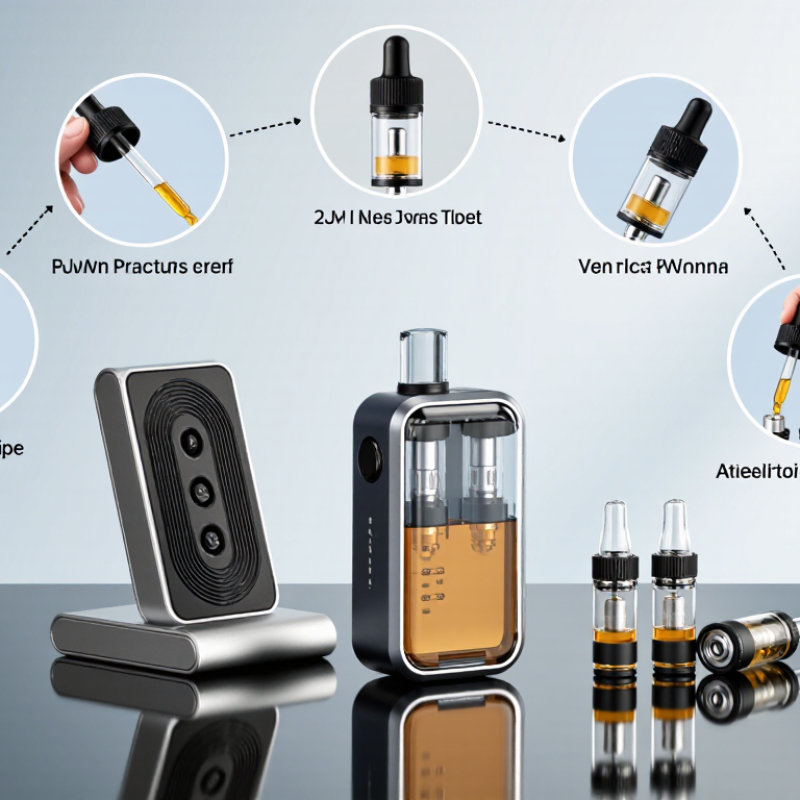
Juice spitback happens when excess e-liquid collects around the coil instead of vaporizing evenly. The trapped liquid can heat suddenly and pop through the mouthpiece. I once blamed the airflow alone. That was only partly right. A flooded coil, overfilled pod, or loose seal can create the same sharp popping sound.
Several small habits can reduce this problem. Fill slowly and leave a little air space inside the pod. Avoid covering the airflow opening while inhaling. Use gentle, steady draws instead of hard pulls. Check that the pod sits firmly and the mouthpiece stays clean. Condensation can also look like spitback, especially after temperature changes. Wipe the mouthpiece with a dry tissue before testing again.
Coil saturation matters, too. A new coil may contain more liquid than it can vaporize immediately. Let it rest briefly after filling. If the device allows power adjustment, follow the coil’s recommended range rather than guessing. A low setting may leave liquid behind, while excessive power can damage the wick. Thinner e-liquid may also flood some pod designs, but this depends on the device. There is no universal fix. If popping continues, stop using the pod, inspect the seal, and replace damaged parts. My own trial-and-error taught me that one change at a time works best. Otherwise, the real cause stays unclear.
| No. | Common Cause | Recommended Tip | Practical Action | Why It Helps | Priority | What to Check |
|---|---|---|---|---|---|---|
| 1 | Excess e-liquid in the coil chamber | Use the correct filling level | Fill only to the marked maximum line and keep e-liquid away from the central airflow tube. | Overfilling can flood the coil and leave unvaporized liquid in the airflow path, which may be drawn into the mouthpiece. | High | Look for liquid around the mouthpiece or inside the airflow opening after filling. |
| 2 | E-liquid has entered the chimney during refilling | Fill slowly and keep the pod angled correctly | Use the filling port rather than the center tube, pour slowly, and leave a small air gap before resealing the pod. | Controlled filling reduces turbulence and helps prevent liquid from entering the airflow channel. | High | Check whether the pod was recently refilled or whether the fill seal is fully closed. |
| 3 | The coil is not fully saturated before use | Allow the pod to sit after filling | After a new pod or coil is filled, wait several minutes before vaping. Take a few gentle primer puffs only if the device design permits it. | A short saturation period helps the wick absorb e-liquid evenly and reduces the chance of uneven heating. | Medium | Notice whether spitback occurs mainly during the first few puffs after filling. |
| 4 | Drawing too forcefully or too frequently | Use a gentle, steady draw | Take slower puffs that match the device airflow and allow a short pause between puffs. | A very strong draw can pull excess liquid toward the mouthpiece faster than the coil can vaporize it. | Medium | Compare the issue during gentle puffs and forceful puffs without changing the device settings. |
| 5 | Power or airflow is not matched to the pod design | Stay within the recommended operating range | Use the power range specified for the installed coil and keep adjustable airflow at a moderate setting. | Too little heat may leave liquid unvaporized, while unsuitable airflow can affect the balance between liquid supply and vapor production. | Medium | Confirm the coil rating and check whether the device is operating below or above its specified range. |
| 6 | Condensation or residue has collected in the mouthpiece | Clean the mouthpiece and airflow path | Remove the pod, wipe the mouthpiece and accessible contacts with a dry, lint-free cloth, and clear visible condensation. | Condensed vapor can combine with small droplets and feel like spitback even when the coil is functioning normally. | Medium | Inspect the mouthpiece for droplets, gurgling, or a wet airflow path. |
| 7 | Worn, damaged, or poorly sealed pod and coil components | Replace leaking or degraded components | Replace the pod or coil if it leaks, has damaged seals, produces persistent gurgling, or continues to spit back after cleaning and correct filling. | Damaged seals and worn wicks can allow uncontrolled liquid flow into the coil chamber and airflow channel. | High | Check for cracks, loose seals, persistent leaks, burnt taste, or spitback that remains after troubleshooting. |
Juice spitback usually means the pod is flooded, not that the device is defective. Check the e-liquid viscosity before changing the coil. Thin liquid can oversaturate a small coil, especially in compact pods. Use the ratio recommended for your pod system. That simple match matters.
Inspect the coil and pod together. Their resistance, wattage range, and liquid channels must be compatible. A low-power coil may struggle with thick liquid. A high-power setting can produce excess heat and flooding. Replace worn coils promptly. Check the seal, too. Even a small gap can draw liquid into the airflow.
Fill the pod slowly, and leave a small air gap. Keep liquid away from the central chimney. Wipe the mouthpiece and contacts with a dry tissue. After filling, let the pod stand for several minutes. Short, gentle puffs can clear minor flooding. Do not inhale sharply. Store the device upright and avoid leaving it in a hot car.
I used to blame every popping sound on the coil. I was often wrong. Airflow changes, cold temperatures, and overfilling also affected my results. If spitback continues, lower the power slightly, check the pod’s recommended liquid range, and test another compatible coil. Stop using the pod if it leaks, cracks, or tastes burnt. Always follow the device instructions and local safety requirements.
7 Tips to Reduce Juice Spitback in Pod Systems?
Filling and Sealing the Pod Correctly
Spitback often starts with a flooded coil, not a defective pod. I used to overfill pods, assuming more liquid meant fewer refills. It usually caused gurgling. Hold the pod upright and fill slowly through the designated opening. Keep liquid away from the central airflow chimney. Leave a small air gap instead of filling to the rim. This space helps reduce pressure changes during use.
Seal the plug or cap firmly, then wipe the mouthpiece and pod contacts. Even a thin film of liquid can enter the airflow path. Keep it upright. If the pod was completely empty, allow several minutes for the coil to absorb liquid evenly. Avoid squeezing the bottle during filling. That simple mistake can force excess liquid into the coil.
ISO 20768:2018 specifies a 55 mL puff, lasting three seconds, every 30 seconds, for routine vaping-machine testing. CORESTA Recommended Method No. 81 uses comparable conditions. These professional methods show why airflow and liquid delivery must remain consistent. However, laboratory settings cannot represent every user’s draw. A hard, rapid inhale may pull liquid toward the mouthpiece. A loose seal can worsen it. Inspect damaged plugs, cracks, or persistent leakage, and follow the pod maker’s safety instructions. My own weak point is rushing the final seal; careful wiping remains easy to overlook.
Leaving headspace helps prevent liquid from being forced into the airflow path during sealing, carrying, or heating. The chart uses a nominal pod capacity: each fill level is paired with the exact percentage of space left inside the pod.
Spitback usually happens when excess e-liquid collects around the coil. It can feel like tiny hot droplets reaching your lips. In my experience, airflow is the easiest place to begin. Open the airflow slightly if the draw feels tight. A restricted draw can pull too much liquid toward the coil. However, fully open airflow may make the vapor feel weak. Make small adjustments and test each change for several puffs.
Tip 1: Check the power setting.
Too little power may leave e-liquid partly heated, causing popping and spitback. Increase power gradually, staying within the pod’s recommended range. Avoid sudden jumps.
Tip 2: Use a steady draw instead of a sharp, forceful pull.
A gentle five-second inhale often produces a smoother result.
Tip 3: Keep the pod upright between uses.
This helps reduce uneven flooding around the coil.
Small details matter.
Do not overfill the pod, and leave a small air gap when filling. Wipe the mouthpiece with a clean tissue if condensation appears. I once blamed the coil immediately, but the real problem was a loose filling seal. That mistake was useful. It showed me that simple checks should come before replacing parts.
If spitback continues, inspect the pod for cracks, worn seals, or excess liquid near the contacts. Stop using damaged components. Fresh liquid can also behave differently, so changing liquid thickness may require another airflow or power adjustment.
Juice spitback often begins with a flooded pod, not a defective device. I have noticed this after overfilling or leaving a pod in a hot car. Remove the pod and wipe its contacts with a dry cotton swab. Clean the mouthpiece gently, where tiny droplets often collect. Never rinse the battery section. Moisture can damage internal electronics.
Check the pod’s silicone plug, seal, and airflow opening during every refill. A loose seal may allow excess liquid into the chimney. Fill slowly and stop below the marked limit. Keep the pod upright for several minutes after filling. This gives the coil time to absorb liquid evenly. If gurgling remains, remove the pod and tap it lightly over tissue. Do not blow forcefully into the device. That can push more liquid toward the coil.
Replace the pod or coil when the cotton looks dark, the flavor turns harsh, or cleaning no longer helps. A worn seal can cause leaks even when the coil still produces vapor. Store spare pods away from direct sunlight and extreme heat. I sometimes replace components too late, hoping one more cleaning will solve everything. That usually creates more mess. Inspect the airflow path weekly, especially after carrying the device in a pocket. Persistent spitback may indicate a damaged pod, poor fit, or an internal fault. Stop using it if the casing becomes hot, cracked, or wet.
Spitback often comes from a flooded coil, not a faulty pod. Overfilling and forceful inhaling can push liquid toward the mouthpiece.
Hold the pod upright and fill slowly through the designated opening. Keep liquid away from the central airflow chimney. Leave a small air gap below the rim.
The air gap helps reduce pressure changes during use. Filling to the rim may increase gurgling and liquid movement.
Seal the plug firmly and wipe the mouthpiece and contacts. Let the pod stand upright for several minutes. The coil needs time to absorb liquid evenly.
Remove the pod and wipe its contacts with a dry cotton swab. Clean the mouthpiece gently, especially around collected droplets. Never rinse the battery section.
Inspect the silicone plug, seal, airflow opening, and pod surface. Look for cracks, loose parts, or liquid near the airflow path. Small leaks matter.
Remove the pod and tap it lightly over tissue. Do not blow forcefully into the device. That can push more liquid toward the coil.
Replace it when the cotton looks dark, the flavor becomes harsh, or cleaning stops helping. A worn seal may leak even when vapor still appears.
Keep them upright and away from direct sunlight and extreme heat. Avoid leaving a filled pod in a hot car. I sometimes replace parts too late.
Stop if the casing becomes hot, cracked, or wet. Persistent spitback may indicate damage, poor fitting, or an internal fault. Safety comes first.
Juice spitback in pod systems usually happens when excess e-liquid collects around the coil, often because of overfilling, flooding, an unsuitable liquid, or an improperly primed coil. How to reduce juice spit-back in pod systems starts with checking that the e-liquid viscosity matches the pod and coil, while also ensuring all components are compatible. Fill the pod slowly, avoid exceeding the recommended level, and close the seal firmly to prevent leaks and pressure changes.
Airflow, power, and vaping technique also play an important role. Use the appropriate power setting, keep airflow balanced, and take smooth, moderate puffs instead of sharp or forceful draws. Regularly wipe the mouthpiece and contacts, remove excess liquid, and inspect the pod for cracks or worn seals. If spitback continues, replacing the coil or pod may be necessary, since damaged or saturated components cannot perform efficiently.

AceOne Vape