How to travel on a plane with a vape device is a safety question, not merely a packing choice. The International Air Transport Association (IATA) and the U.S. Federal Aviation Administration (FAA) classify vapes as devices containing lithium batteries. Their passenger guidance requires these devices to remain in carry-on baggage, never checked luggage. The battery must also be protected from damage and accidental activation. Keep it visible and separated.
A practical example is simple. Place the device in a small protective case, remove any detachable battery, and store spare batteries in individual sleeves. Do not use or charge the device during the flight. Airport security rules can differ by country, airline, and connection point, so check official instructions before leaving home. Rules change. That detail is easy to miss.
Aviation safety expert John Cox, former airline captain and chief executive of Safety Operating Systems, has repeatedly stressed the importance of controlling lithium-battery risks: “The best safety system is the one that prevents the event.” This principle fits vape travel well. The FAA’s PackSafe guidance and IATA’s Dangerous Goods Regulations provide stronger authority than informal travel forums. Still, this guide should not replace an airline’s current policy. Even experienced travelers can misunderstand transit rules, especially when changing countries. A careful passenger checks the airline website, airport security guidance, and battery specifications before departure.
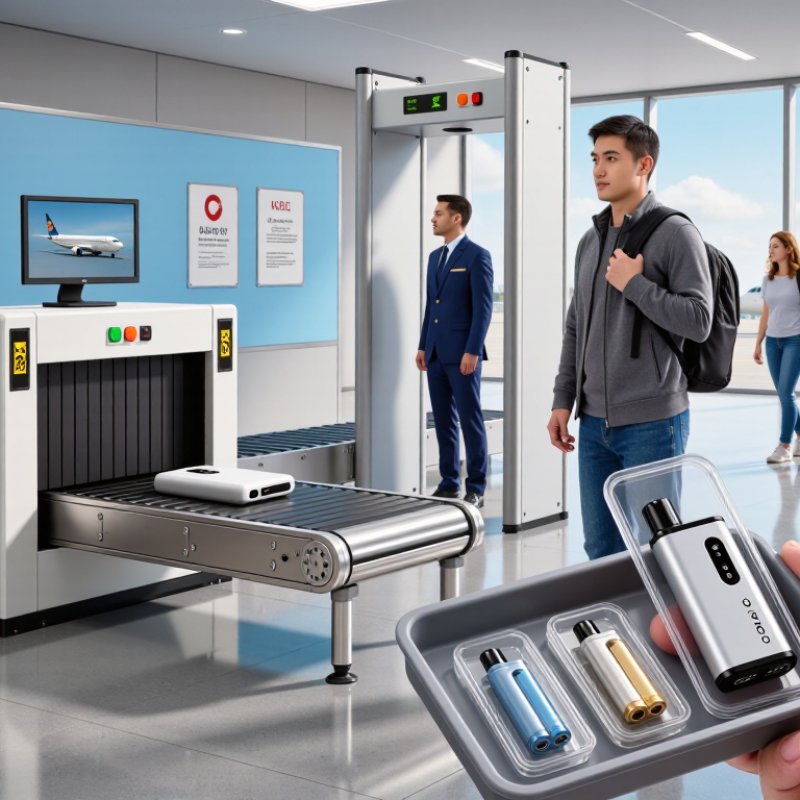
China Top Vape Devices: How to Travel on a Plane?
Airline and country rules can differ sharply. Check both before leaving home. A device allowed on one route may be restricted at your destination. Review the airline’s current baggage policy, airport security guidance, and official customs information. Pay special attention to transit countries, even when you only change planes there.
Keep the device in your carry-on baggage, never in checked luggage. Turn it off completely and protect the battery from metal objects. A small case can prevent accidental activation. Spare batteries should have protected terminals. Do not use or charge the device during the flight. Security staff may request a closer inspection, so keep it easy to reach.
E-liquid rules also vary. Airport security may limit liquids in hand luggage, while some countries restrict entry completely. Check container limits and packaging requirements before packing. Do not assume an online travel forum is accurate. Official sources are safer. I would also save screenshots of the latest rules, because websites can change without notice. My advice is practical, but not perfect: airline staff and border officers have final authority. If the destination bans possession or import, leave the device at home.
Before leaving home, inspect the vape device and every battery carefully. Do not pack batteries with dents, torn wraps, corrosion, or unusual swelling. A damaged cell can overheat without warning. Power the device off completely, and activate its lock function if available. Remove detachable batteries when the device design allows it. Place each battery in a protective case, not loose beside keys or coins. Keep the device and spare batteries in your carry-on bag, never in checked luggage. Rules can vary.
Prepare for pressure changes inside the aircraft. Empty the tank or pod to reduce leakage, then seal it in a small plastic bag. Check the airline’s current policy before departure, because cabin procedures may differ. Some destinations also restrict possession or importation, even when the item is legal elsewhere. A quick check of official airport and destination guidance is more reliable than online comments.
I once packed a device upright but forgot the loose battery. That was careless. The battery case took seconds to add. At security, keep the device accessible if inspection is required. Do not use or charge it during the flight. If the device becomes hot, smells unusual, or shows damage, stop handling it and inform cabin crew. Small preparation details matter.
When flying with China-made vape devices, pack them in your carry-on baggage, never in checked luggage. The FAA PackSafe guidance classifies electronic vaping devices as cabin-only items because lithium batteries can overheat in an aircraft hold. IATA’s Dangerous Goods Regulations generally allow spare lithium-ion batteries up to 100 Wh in carry-on baggage. Batteries between 101 and 160 Wh require airline approval, while larger batteries are not accepted as passenger baggage. Most vape batteries are below 100 Wh, but checking the printed rating remains essential.
Turn the device off completely and prevent accidental activation. Remove detachable batteries when possible, then place each battery in a protective case or separate plastic sleeve. Keep the device away from coins, keys, and metal chargers. A small transparent pouch works well. Do not leave loose cells rolling inside your bag. It looks harmless. It is not.
FAA and IATA guidance also prohibit charging or using vaping devices during the flight. Keep the pouch where cabin crew can reach it, rather than burying it under clothing. Airline policies may be stricter than international baseline rules, so review the carrier’s current baggage page before departure. I once underestimated how easily a button could be pressed inside a crowded bag; that mistake deserves more attention. Carry only permitted personal equipment, and avoid damaged, swollen, leaking, or recalled batteries.
Practical air-travel requirements for vape devices, batteries, pods, and e-liquids
| Travel Item or Issue | General Requirement | Safe Packing Method | Important Fact for Travelers |
|---|---|---|---|
| Complete vape device | Carry-on only | Place the device in a protective case inside your cabin baggage. Keep it accessible for security inspection. | Electronic smoking devices are generally not permitted in checked baggage because of the fire risk from lithium batteries. |
| Vape device in checked baggage | Do not check in | Remove the device from any suitcase intended for the aircraft hold and move it to your carry-on bag. | Airline and aviation-safety rules commonly prohibit carrying personal vaping devices in checked baggage. |
| Built-in rechargeable battery | Protect against activation | Turn the device off completely. Use a travel case, lock button if available, and keep it away from metal objects. | Accidental activation can cause overheating. A device should not be able to switch on while packed. |
| Removable lithium battery | Carry in cabin baggage | Remove the battery from the device when practical. Store each spare battery in an individual case or cover its terminals with non-conductive tape. | Unprotected spare batteries can short-circuit against keys, coins, chargers, or other metal items. |
| Battery capacity | Check the rating | Confirm the watt-hour rating printed on the battery or device documentation before departure. | Common aviation limits allow lithium-ion batteries up to 100 Wh in carry-on baggage. Batteries above 100 Wh may require airline approval, while batteries above 160 Wh are generally not accepted in passenger baggage. |
| Spare batteries | Cabin baggage only | Carry spare batteries in their original packaging, a battery case, or separate protective sleeves. | Spare lithium batteries should not be placed in checked baggage. Airline limits may apply to the number of spares. |
| Pods, tanks, and cartridges | Seal against leakage | Empty the tank when possible, seal refill openings, place pods in a leakproof pouch, and keep them upright. | Cabin pressure changes can encourage e-liquid leakage. Absorbent material can provide additional protection against spills. |
| E-liquid in cabin baggage | Follow liquid limits | For flights using the standard international security rule, place liquids in containers of no more than 100 ml and put them in the required transparent resealable liquids bag. | Liquid rules and exemptions can differ by airport, route, and security authority. Check the departure and transfer airports before packing. |
| E-liquid in checked baggage | Confirm route rules | Keep bottles tightly closed and inside a sealed leakproof bag. Avoid packing bottles that exceed destination or airline limits. | Although battery restrictions are the main reason vape devices cannot be checked, e-liquid remains subject to customs, liquid, and destination-country regulations. |
| Charging during the flight | Do not charge | Charge the device before leaving and keep charging cables packed separately until arrival. | Charging or powering a vape device during a flight is generally prohibited. Follow the cabin crew’s instructions at all times. |
| Using the device onboard | Never use onboard | Keep the device switched off and stored throughout the flight, including during boarding, taxiing, and landing. | Smoking and vaping are prohibited on commercial passenger aircraft. Disregarding the rule may lead to penalties or removal from future travel. |
| Security screening | Be prepared to present it | Keep the device and batteries easy to remove from your carry-on bag if security staff request an inspection. | Security officers may apply additional screening or refuse an item if its battery, contents, or condition cannot be verified. |
| International arrival and transit | Check local regulations | Review the laws of the destination and every transit country before departure, including rules for possession, importation, nicotine, and e-liquid. | Airline acceptance does not guarantee legal entry. Some destinations restrict or prohibit vaping devices and related liquids. |
| Damaged or swollen battery | Do not transport | Do not pack batteries that are swollen, cracked, leaking, corroded, unusually hot, or otherwise damaged. | Damaged lithium batteries can present a serious fire risk. Replace or dispose of them through an approved battery-recycling channel before travel. |
| Airline confirmation | Verify before departure | Check the latest dangerous-goods and baggage rules published by the operating airline and the departure airport. | Airlines and local authorities may impose stricter requirements than general international aviation guidance. |
China Top Vape Devices: How to Travel on a Plane?
When carrying a China-made vape device, follow airport security procedures carefully. The IATA Dangerous Goods Regulations classify spare lithium batteries as carry-on items. FAA guidance also prohibits electronic vaping devices in checked baggage. Keep the device switched off, protected from accidental activation, and placed in your cabin bag. Spare batteries need separate protection for their terminals. A small battery case works better than loose storage.
At the security checkpoint, remove the device when instructed. Answer questions clearly and show the equipment if requested. Do not use or charge it onboard. The FAA requires passengers to prevent accidental activation during transport. Liquid pods or bottles must follow the departure airport’s liquid restrictions. Many international airports apply a 100 ml container limit, but local rules can differ.
A common mistake is checking the airline policy only once. Policies may change with aircraft type, route, or connecting airport. IATA’s 2024 Global Passenger Survey reported that 70% of travelers support more digital airport processing, yet human screening still matters. Keep the device accessible, not buried under clothing. If the destination restricts vaping equipment, do not carry it. Rules can feel inconsistent. Check the airline, airport, and destination authority before leaving home.
Follow airport security procedures for vaping equipment. Vape devices and spare lithium batteries should generally remain in carry-on baggage, while checked-baggage storage, onboard use, and onboard charging are generally prohibited.
Note: These are general aviation safety practices based on commonly applied airport, airline, and lithium-battery rules. Always confirm the latest requirements with the departure airport, airline, and destination authorities.
Traveling with a vape device requires careful handling, not improvisation. The U.S. Federal Aviation Administration’s lithium-battery incident data lists more than 500 smoke, fire, or extreme-heat events since 2006. Many involved portable batteries. Before boarding, switch the device off completely. Protect it from accidental activation. Keep it in your carry-on baggage, never in checked luggage. Spare batteries should remain in the cabin and have protected terminals, according to FAA PackSafe guidance and IATA Dangerous Goods Regulations.
Do not use or charge the device during the flight. Cabin pressure can also cause small liquid leaks, so place cartridges or containers in a sealed, transparent bag. Keep them upright when possible. Follow the airline’s current instructions, because policies can change. I still double-check.
After landing, do not immediately handle a warm, swollen, cracked, or leaking device. Move away from crowded areas and ask airport staff for help. Never place a damaged battery in ordinary rubbish. Use an approved battery-recycling point instead. IATA safety guidance emphasizes preventing heat, short circuits, and accidental activation during transport. A careless pocket can defeat good preparation. That detail is easy to forget. While traveling, keep the device visible, separated from metal objects, and stored securely until you reach a permitted location.
Place it in your carry-on baggage. Never pack it in checked luggage. Cabin access matters.
Switch the device off completely. Remove detachable batteries when possible. Use a protective case or separate sleeve.
Yes, usually below 100 Wh. Batteries from 101 to 160 Wh may need airline approval. Larger batteries are generally refused.
Cover each terminal separately. Keep batteries away from coins, keys, and metal chargers. Do not let cells roll freely.
No. Do not use or charge it onboard. Keep the device accessible to cabin crew.
Remove the device when instructed. Answer questions clearly. Show it if requested. Keep it easy to reach.
Seal them in a transparent bag. Keep them upright when possible. Follow the departure airport’s liquid limits.
Review the airline, airport, and destination rules. Policies can change by route or aircraft. I still double-check.
Do not handle a hot, swollen, cracked, or leaking device immediately. Ask airport staff for help. Never place it in ordinary rubbish.
Do not bury the device under clothing. A crowded bag can press its button. It seems harmless. It is not.
Traveling with a vape device requires careful preparation and attention to airline, airport, and destination-country rules. Before departure, confirm that vape devices are permitted on your route and check any restrictions on batteries, e-liquids, and usage. Remove or secure detachable batteries, inspect the device for damage, and prevent accidental activation. E-liquid containers should follow applicable liquid limits and be sealed to avoid leaks.
When considering How to travel on a plane with a vape device, pack the device and spare batteries in your carry-on baggage rather than checked luggage, using protective cases or covers to prevent short circuits. Present the equipment for inspection if security officers request it, and never use or charge the device during the flight unless explicitly permitted. After landing, follow local regulations, store the device safely, and use it only in designated areas. Responsible handling helps protect passengers, prevents damage, and supports a smooth journey.

AceOne Vape